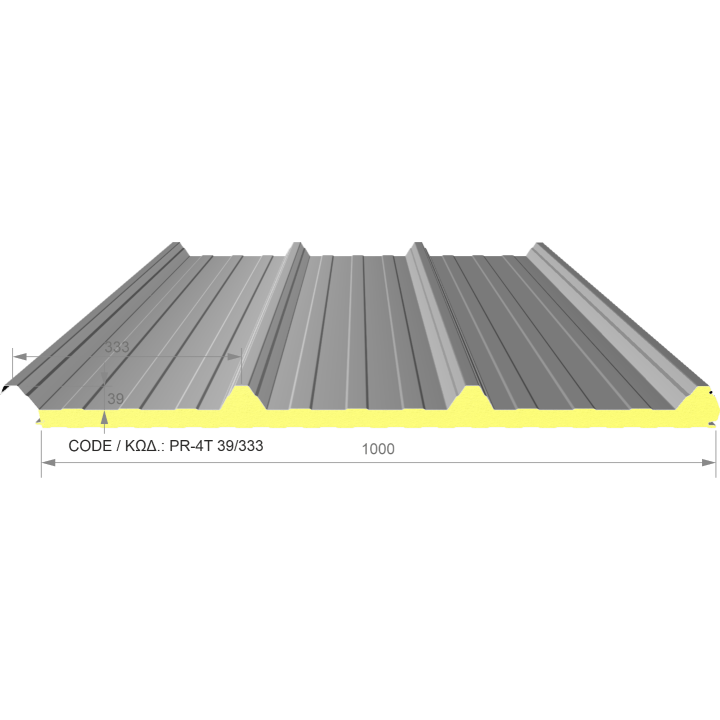
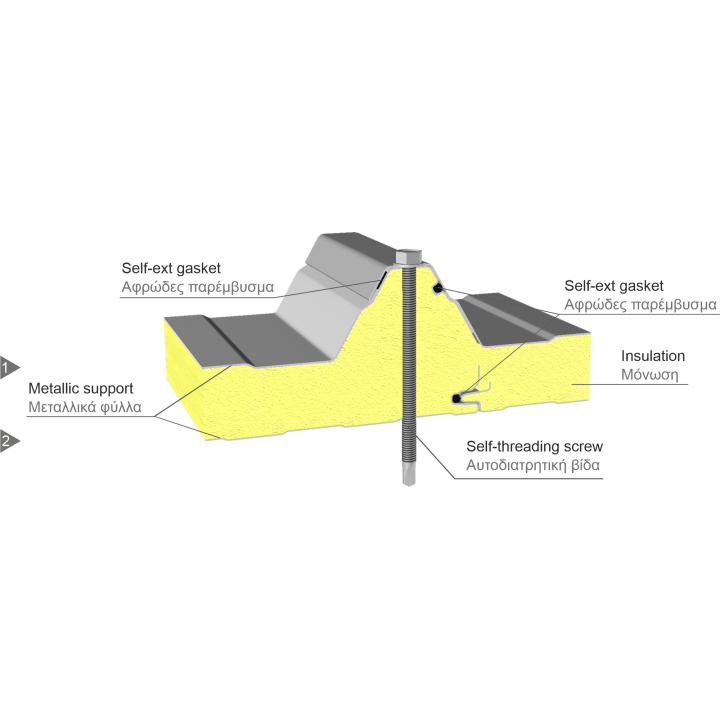

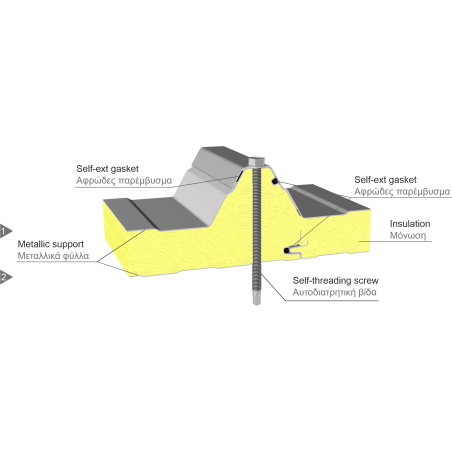


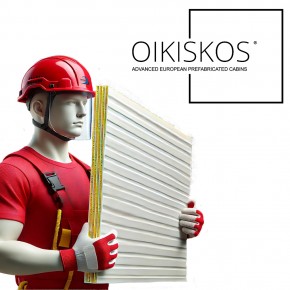

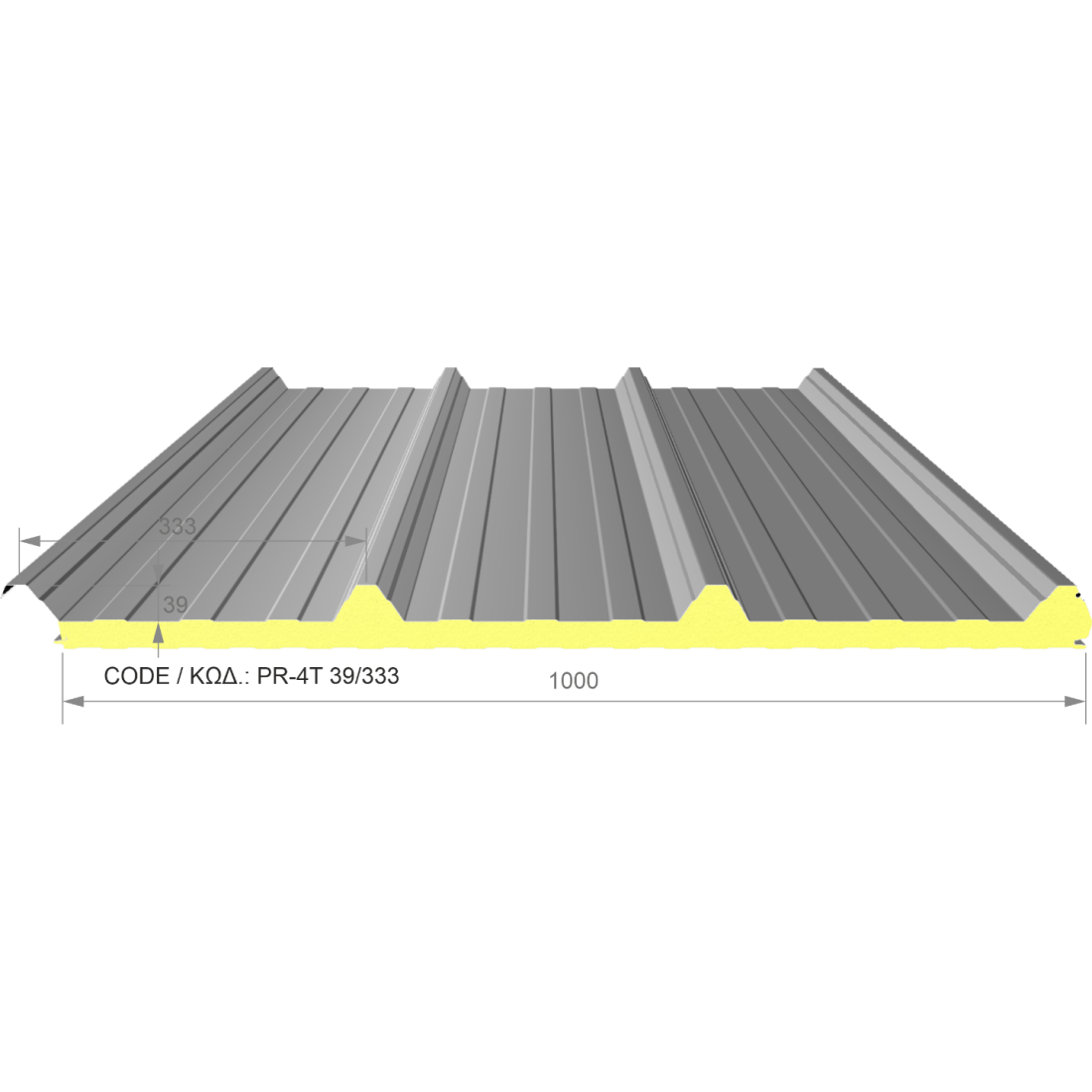
The polyurethane thermal insulation panels have male/female side joints so that they interlock with each other and are connected both to one another and to the structural frame in a solid manner, with particular care taken to ensure the essential insulation requirements are met (eliminating thermal bridges) while also allowing for easy disassembly in case of repairs. They are manufactured in accordance with the EN 14509:2013 standard and bear the CE marking.
Technical Specifications:
Insulation of Polyurethane Panels:
The PUR (polyurethane) foam is chemically neutral, non-toxic, and produced using environmentally friendly technology with pentane (CFC and HCFC free). Domolam panels are produced with PUR foam classified as reaction to fire Cs3d0 or, alternatively, with High Index PIR (polyisocyanurate) foam, classified as Bs1d0, in accordance with EN 13501-1, EN 11925-2, and EN 13823 standards. Wall panels (vertical installation – EN 1364-1) have a fire resistance rating of EI 30: E60, and roof panels (horizontal installation – EN 1365-2) have a rating of REI 30: RE60 for 100mm thickness, according to EN 13501-2.
Both PUR and PIR High Index foams contain over 95% closed cells, providing resistance to moisture absorption and excellent bonding with the metal facings.
Thermal Conductivity Coefficient: λ = 0.0215 W/mK
Average Density: 40–42 kg/m³ (EN 13165)
Average Compressive Strength: 120 KPa
Average Tensile Strength: 140 KPa
Average Shear Strength: 100 KPa
Panel Metal Facings:
Pre-painted sheets in compliance with EN 10169, based on galvanized or aluzinc steel with a yield strength of 250–320 N/mm² (EN 10346 and EN 10143).
Plastisol-coated, antibacterial sheets for cold rooms and sanitary applications.
Pre-painted, smooth or embossed aluminum, copper, and stainless steel available upon request.
Joint Tightness:
Water Tightness: Class A, EN 12865
Air Tightness: 0.14 m³/m²/h at 50 Pa, EN 12114
Panel Dimensional Tolerances (Annex D, EN 14509):
Groove height: ±1mm
Groove pitch: ±2mm
Panel length: ±10mm
Panel thickness: ±2% of thickness
Squareness: 0.6% of effective width
Longitudinal curvature: 2mm/m – 10mm
Transverse curvature: ≤1% of width
Flatness: ≤-1.5mm over 700mm
Edge waviness: ±2mm over 500mm length
Effective panel width: ±2mm
Panel Profiling:
External wall cladding: Exterior profile mini Nevraturra, interior Classic in RAL 9002
Interior panels: Classic profile on both sides
Colors:
External: RAL 9002
Internal: RAL 9002
Panel Width: 1.00 m
Panel Lengths:
1.50
2.00
2.50
3.00
4.00
5.00
6.00
7.00
8.00
9.00
10.00
11.00
12.00
13.00
14.00
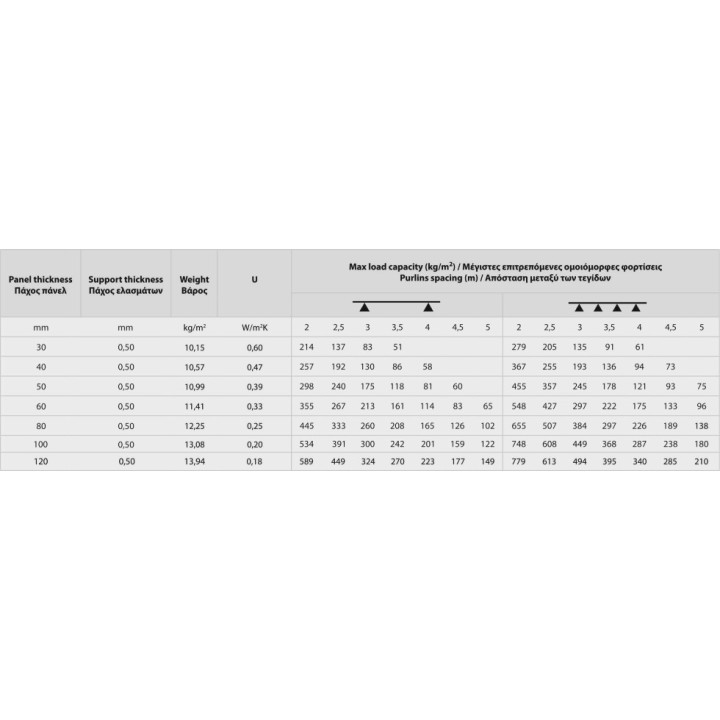
Thickness: 40 / 50 / 60 / 80 / 100 mm
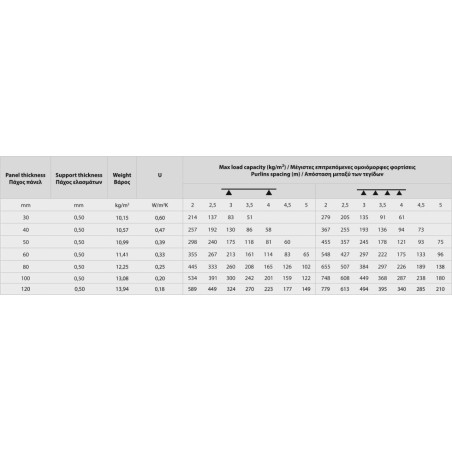
Weight: 10.57 - 13.08 kg/m² depending on panel thickness
Advantages of the oikiskos roof panels:
Innovative connections ensure excellent waterproofing and airtightness.
They feature special reinforcing shapes on the sides of the trapezoids for increased load resistance.
Depending on their type, they can be combined with pioneering photovoltaic elements in the form of adhesive membranes.
They are produced with an innovative overlapping design along their length.
Notes:
Minor wool traces at the joints, small wool gaps, or slight absence of wool sealant along the side do not constitute quality issues, provided the functional integrity of the panel remains unaffected.
Roof panels are used for external roofs, designed to meet various construction needs with high aesthetic value.
Unloading:
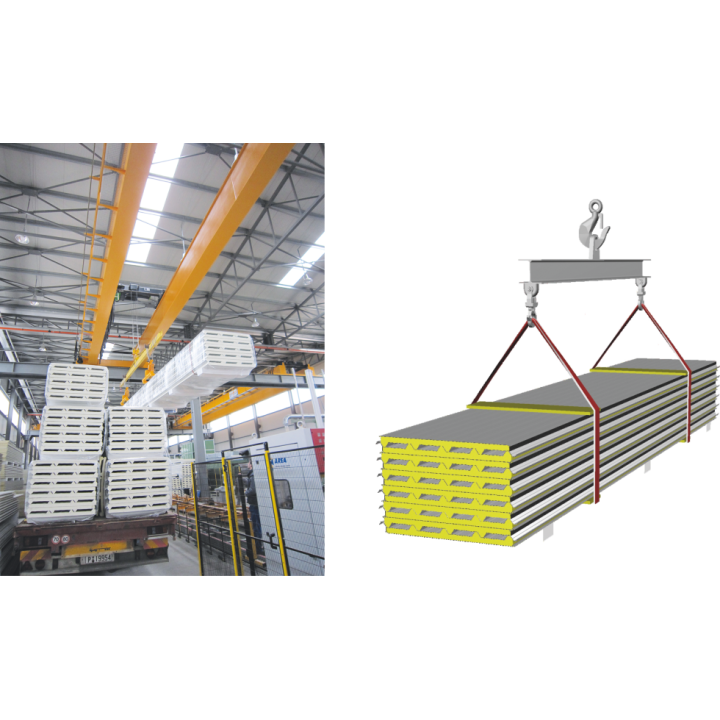
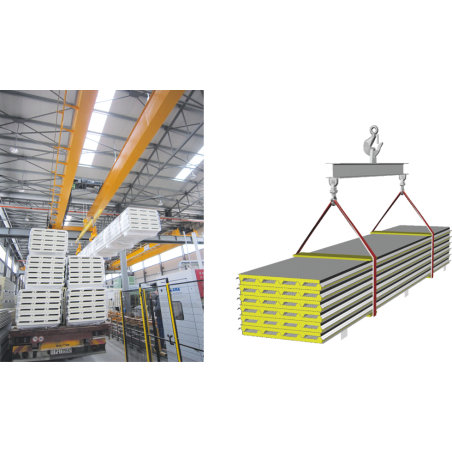
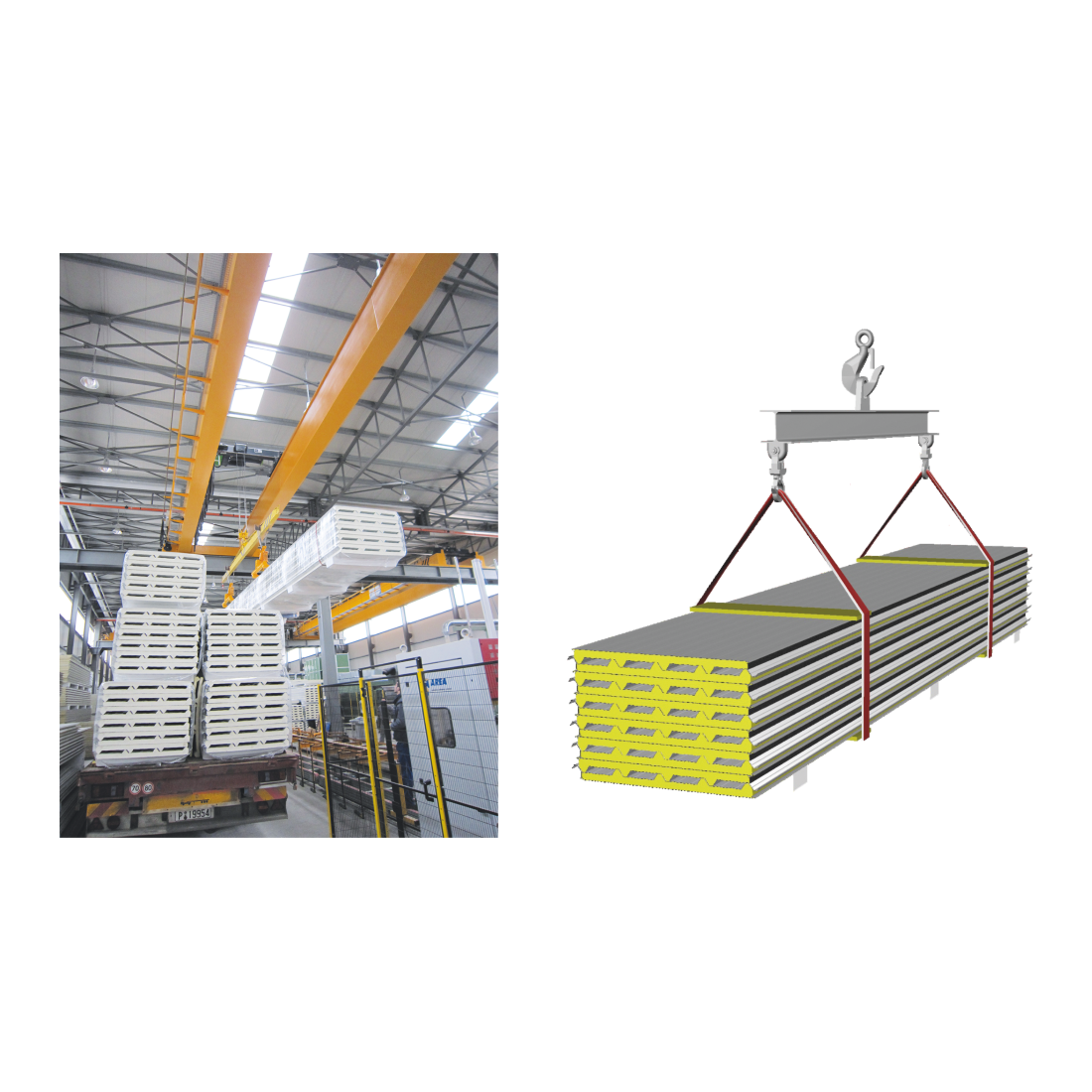
Bundles of long panels should be unloaded using slings or long straps. Pre-painted sheets should not be dragged against each other.
Storage:
Panels must be placed at a minimum 5% incline and covered in a way that allows ventilation, to prevent vapor condensation and electrochemical corrosion.
Installation:
After completion of installation, any protective film (if present) must be removed, and surfaces should be cleaned of cutting/drilling debris.
It is recommended to use at least two fasteners per sheet and batten. Screwing should stop as soon as the metal surface begins to deform, to maintain both aesthetic and structural performance.
The manufacturer is not liable for damages caused by improper use of its products.
Images may not accurately reflect the actual color of the products.
Not sure what you need? Purchase a Phone Support Package, and we will help you!
You might also like
Save products on your wishlist to buy them later or share with your friends.